What Should You Carry, and When Should You Say No?
What can you carry for someone on a flight? A practical guide to safe categories, grey areas, and when to decline.

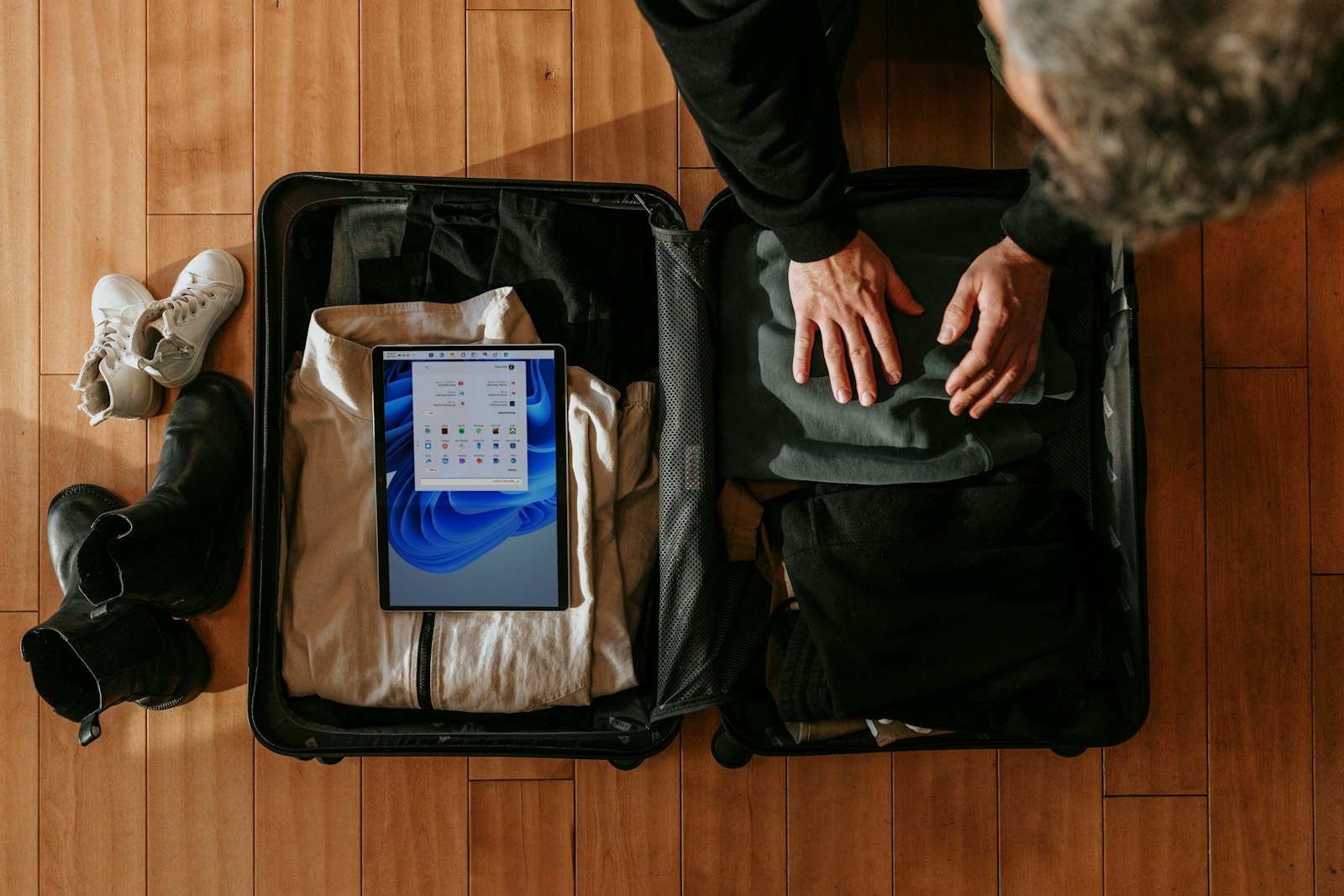
One of the most useful skills you'll build as a traveler on Cendiago is knowing what to carry for someone on a flight, and knowing when to just say no. There's no perfect checklist that covers every situation, but there is a clear way to think about it. This guide walks through the common safe categories, the grey areas, and the one rule that should override everything else: if you can't see it and you're not sure, decline.
The Categories Travelers Commonly Accept
Most requests on Cendiago fall into a small set of everyday categories:
- Clothing: for family, gifts, or seasonal items someone needs delivered.
- Documents: paperwork, letters, or printed materials.
- Gifts: small presents for birthdays, holidays, or family occasions.
- Electronics: phones, accessories, or small devices, when you're able to verify what they are.
You choose which of these categories you're willing to accept when you list your trip. Sticking to categories you understand and can easily verify is the simplest way to travel with confidence.
The Grey Areas
Some requests won't fall neatly into a safe category. A few common grey areas:
- Items you can't fully identify, even after the sender describes them.
- Anything valuable or fragile where you'd be uncomfortable with the responsibility of transporting it.
- Items with unusual packaging that makes it hard to inspect them properly.
- Requests where the sender is vague about what's actually inside.
None of these are automatically off-limits, but they're all moments to slow down, ask questions, and look closely before you decide.
Rules Vary by Destination, and That's Part of the Job
What's completely ordinary in one country can be restricted in another. A rule of thumb: the more specific or unusual an item is, the more worth double-checking it is for your particular destination before you agree to carry it. This is general information, not legal advice. Rules vary by country, so always confirm for your route.
You don't need to memorize every country's restrictions to travel confidently. You just need to slow down on anything unfamiliar and be willing to ask more questions before accepting.
The One Rule That Matters Most: If You Can't See It, Don't Carry It
Every item you accept gets inspected and packed by you. Nothing arrives sealed, and nothing goes into your bag that you haven't personally checked. That single habit is what makes almost every other judgment call easier.
If a sender can't or won't let you verify what's actually inside an item before you pack it, that's already your answer. Decline, no explanation needed.
When You Should Always Decline
Some situations are simple no's, every time:
- The item doesn't match what was described once you actually look at it.
- You can't verify the contents well enough to describe them honestly yourself.
- The category isn't one you agreed to accept when you listed your trip.
- Anything about the request makes you uneasy, even if you can't pinpoint exactly why.
Declining is always penalty-free. There's no score to protect and no downside to trusting your own judgment over a request that doesn't feel right.
A Simple Way to Decide
Before accepting any request, ask yourself:
- Can I clearly see and verify what this item actually is?
- Does it match the category I agreed to carry?
- Would I be comfortable describing this item honestly if asked?
If the answer to any of those is no, decline. If yes to all three, you're in familiar, comfortable territory.
FAQ
What are the safest categories to start with as a new traveler? Clothing, documents, and gifts tend to be the most straightforward, since they're easy to see, verify, and describe.
Can I change which categories I accept after listing a trip? Yes, you're in control of your listing and can adjust which categories you're open to carrying.
What if a sender pressures me to accept something I'm unsure about? Decline. You never owe an explanation, and any legitimate sender will understand a "no."
Do the same categories work for every country? Not necessarily. This is general information, not legal advice. Always confirm anything unfamiliar for your specific destination before accepting.
Ready to list your trip and choose the categories that feel right for you? Get started on Cendiago, or browse all routes to see what senders are looking for. Questions first? Visit support.
Stay updated
Get the latest travel safety guides and tips straight to your inbox.